Where Is The Risk?
- trustmustbeearned
- May 24, 2021
- 2 min read

To: The Indicator - NPR
Host: Sally Herships, Stacey Vanek Smith
In regards to the May 19, 2021 podcast: "We’re Bad at Calculating Risk."
It’s not that people are bad at calculating risks, it is that people don’t put problems in context. We don’t teach people how to do a modestly appropriate risk analysis. It is not wrong that people are often very bad at understanding a risk in terms of putting it into a numerical quantified context because they are; but that may be the least important part in where people fail in assessing risk. People can be taught to do better math, but math alone does not make the decision better.
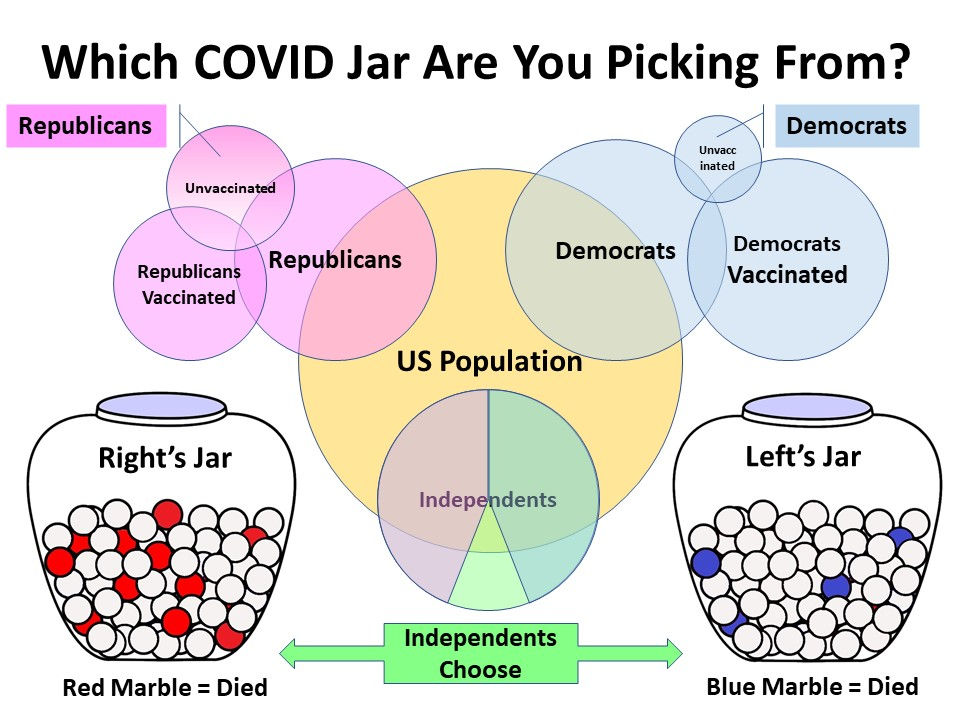
Even when someone is presented with a risk assessment problem, like the question you mentioned about the ‘acceptable number of deaths that supports some significant benefits to the rest of society’, the method to make the analysis and decision are not what is needed. This is because even if people were very good at estimating and calculating the resulting outcome of the risk perfectly every time, that isn’t the proper method to render a good decision. What also needs to be part of a good and informed risk decision is the ‘base’ case, the ‘business as usual’ case, or the ‘compared to what’ case. Would it be worth 20,000 deaths every year, if the rest of the nation’s or world’s population received significant benefits? “Compared to what”? Do the benefits include some number of lives saved independent of the 20,000 deaths, just in other areas unrelated to the choice that kills the 20,000? Is the life expectancy of the population increased from 45 years to 80 years? Is the risk of total human extinction reduced in some manner? What was missing was a quantification of the benefits compared to the deaths. There was also no assessment or quantification of the costs (deaths and other things) and benefits that are associated with not electing to accept the decision which risks 20,000 deaths. People are bad at calculating risk because we don’t teach them how important it is to put that risk into the context of ‘and what is the risk you are assuming will occur if you do not choose this particular risk’. It is just easier to think the choice is independent of anything else. We are bad at calculating risk; because we don’t teach people to put all risks into a context of “or what?”


Comments